Learn · food additives
Nitrates & Nitrites: What You Need to Know
Why nitrates in vegetables and nitrites in processed meat need context—not simple good-or-bad labels.
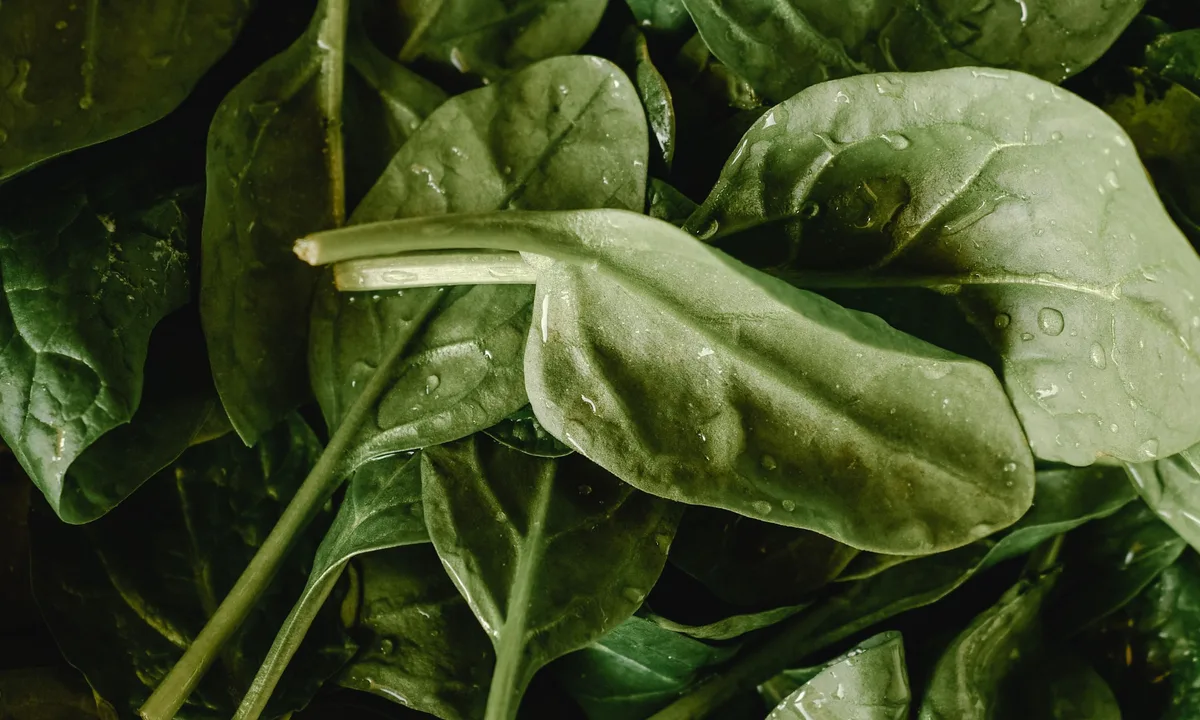
Nitrates and nitrites need context. The FSA distinguishes evidence about processed meat consumption from uncertainty about how much of the risk is specifically attributable to nitrate or nitrite additives. (FSA)
What are nitrates and nitrites?
Nitrates and nitrites are compounds made of nitrogen and oxygen, found in the environment and food and also used as food additives. Most dietary nitrate comes from vegetables, including leafy greens, beetroot and celery. (FSA)
When nitrate is consumed, bacteria in the mouth can convert some of it to nitrite. Further reactions can produce nitrogen-containing compounds, including nitrosamines. Nitrosamines can form during digestion and high-temperature cooking. Some nitrosamines can increase cancer risk; formation depends on factors including the food and cooking conditions. (FSA)
Cured and processed meats
Nitrate and nitrite additives are used in products such as bacon, ham and cured sausages. They help control harmful bacteria, including Clostridium botulinum, which causes botulism, and contribute to colour and flavour. (FSA)
The additive salts are potassium nitrite (E249), sodium nitrite (E250), sodium nitrate (E251) and potassium nitrate (E252). EFSA describes these as authorised food additives in its 2017 re-evaluation. (EFSA)
Processed meat and individual additives are different questions
IARC classifies processed meat as carcinogenic to humans (Group 1), based on sufficient evidence that consumption causes colorectal cancer. The classification describes the strength of the evidence, not the size of the risk or an equivalence with other Group 1 hazards. (IARC Q&A)
IARC reported an analysis estimating that each 50g portion of processed meat eaten daily was associated with about an 18% increase in colorectal-cancer risk. This describes an increase in relative risk, not an 18-percentage-point increase in an individual's absolute risk. It is not a personal risk prediction. (IARC Q&A)
The FSA's 2025 explainer says there is no definitive evidence that nitrates or nitrites themselves are the direct cause of cancer. This uncertainty should not be confused with the stronger evidence about processed meat consumption as a whole. (FSA)
Why the food context matters
Nitrate in vegetables and nitrate added to meat are chemically the same. The FSA explains that vegetables also provide nutrients such as vitamin C, polyphenols and fibre that can help reduce nitrosamine formation, whereas the composition of meat provides a different context. (FSA)
The FSA says there is no evidence that processed meats made without nitrate or nitrite additives are safer. Removing these preservatives also requires other methods to address food-safety risks. A “no added nitrites” claim alone should not be treated as proof of a safer product. (FSA)
What do the safety assessments say?
EFSA's 2017 re-evaluation retained an acceptable daily intake for nitrate of 3.7mg per kilogram of body weight per day and established 0.07mg/kg/day for nitrite. These are regulatory risk-assessment values, not dietary targets or instructions for calculating a personal allowance. (EFSA)
EFSA estimated that additive exposure was within the assessed levels except for a slight exceedance for highly exposed children consuming nitrites; including all dietary sources can result in exceedances for some groups. The assessment also identifies uncertainties and research needs. Its conclusions should not be shortened to a claim that every exposure is risk-free. (EFSA)
General public guidance
The FSA supports NHS advice that people eating more than 90g of red or processed meat per day should cut down to no more than 70g per day. This is attributed public guidance, not a personalised recommendation from CleanPlate+. (FSA)
IARC explains that high-temperature cooking produces more of certain carcinogenic chemicals, but that its evaluation did not have enough data to conclude how cooking method changes cancer risk. The presence of a chemical should not be converted into a precise personal risk estimate. (IARC Q&A)
This article summarises public information. It is not medical advice, a diagnosis or a personalised dietary recommendation. For concerns about symptoms, allergies or dietary needs, speak to an appropriately qualified health professional.